
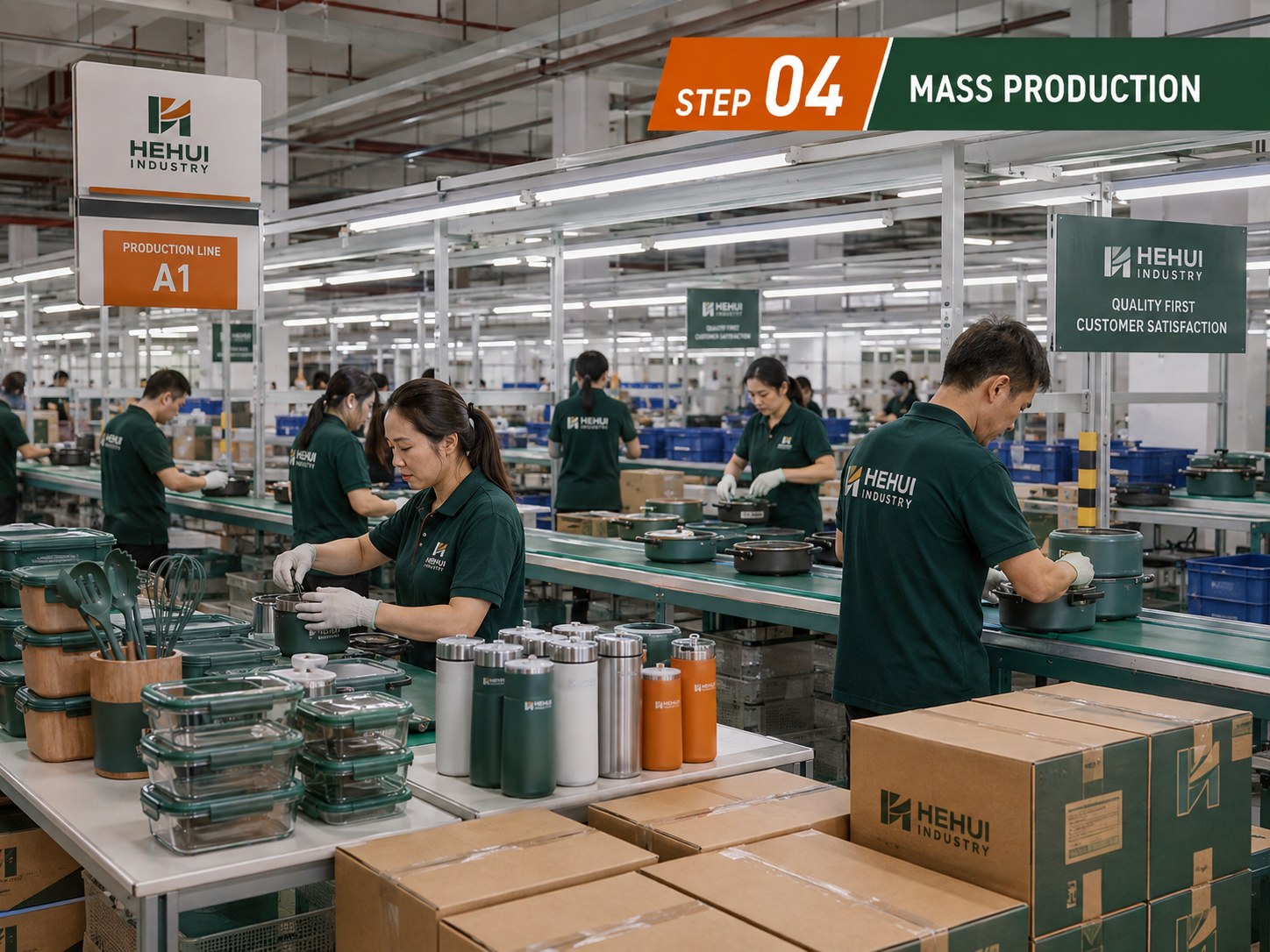
Short answer: before comparing unit prices, confirm the exact product configuration, MOQ, sample process, market documents, packaging scope, inspection plan and shipping terms. These seven points decide whether a quote becomes a repeatable order.
Wholesale kitchen-tool buyers are rarely buying one isolated item. They are usually building an assortment, testing a new product, preparing a retail launch or creating a private-label range. That means the right supplier conversation needs to cover the product and the route to market at the same time.
1. What exactly is included in the product configuration?
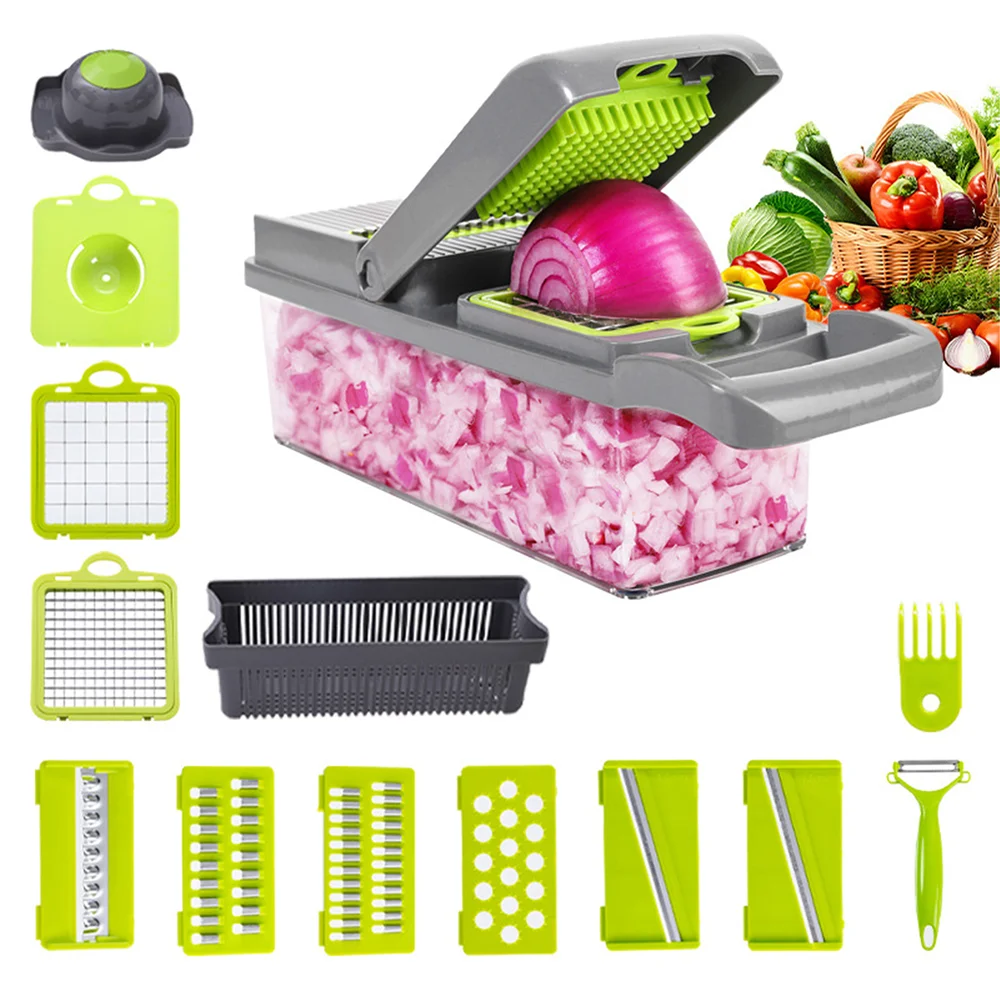
Two similar-looking choppers, graters or peelers can have different blades, materials, accessories, container sizes and packaging. Ask for a written specification sheet or a product page that clearly identifies the model, dimensions, materials, included parts and available colors.
- Confirm the modelUse one model number on the quotation, sample and purchase order.
- Confirm the componentsList blades, drums, baskets, lids and containers rather than relying on product photos.
- Confirm the materialsAsk which parts contact food and which materials are used in each part.
- Confirm the dimensionsCarton dimensions and product weight matter for freight and shelf planning.
2. Which MOQ applies: stock, logo or retail packaging?
“MOQ” is not always one number. A stock order, a logo order and a custom color-box order can each have a different minimum. Ask the supplier to separate these levels in writing and state whether the minimum is per model, per color or per shipment.
- Stock order: the supplier’s existing configuration and packaging.
- Logo order: your brand applied to an existing product.
- Retail packaging: custom box, insert, barcode and carton markings.
3. Can I review a sample before approving bulk production?
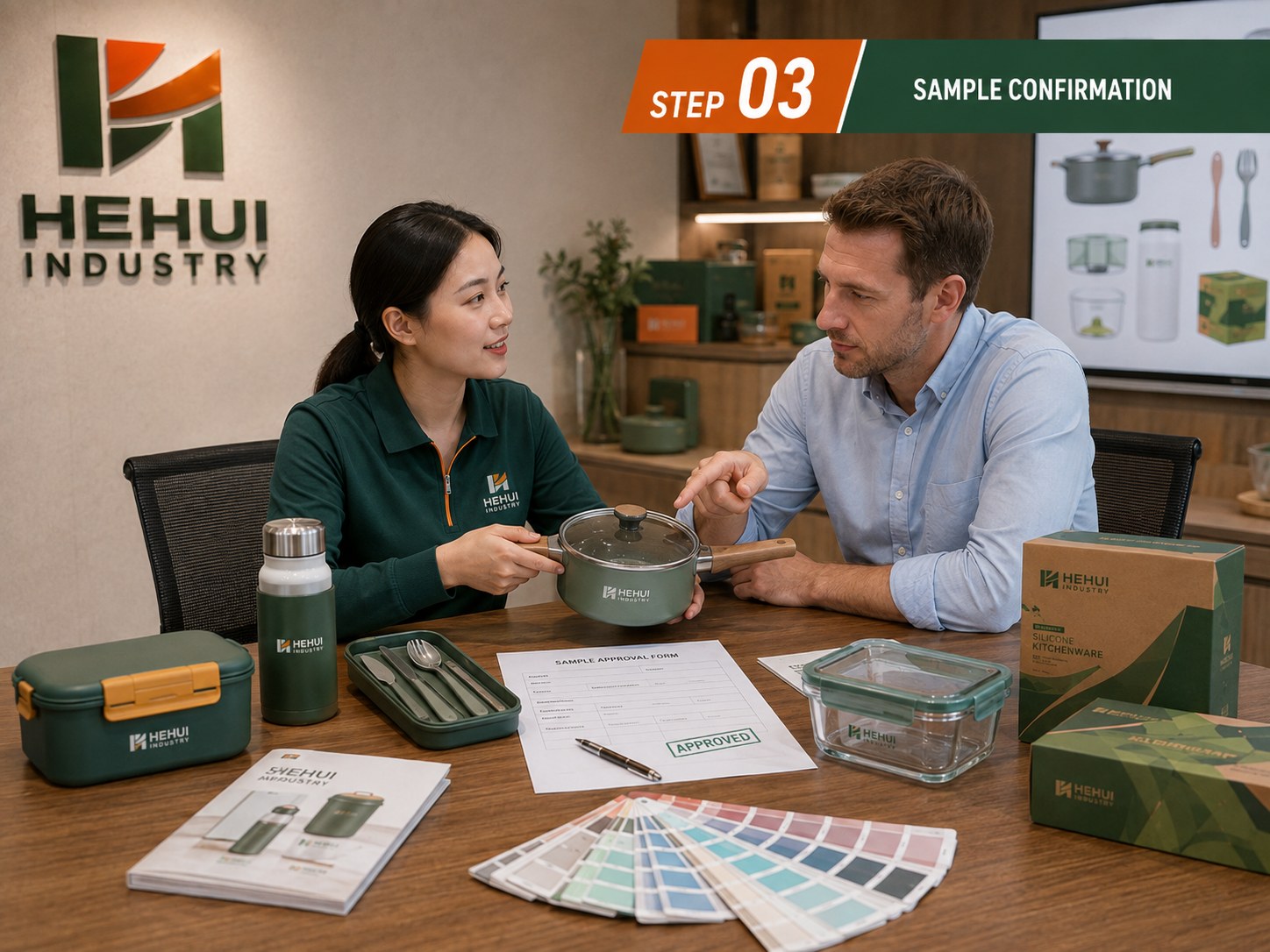
A sample is not only for checking appearance. It lets you evaluate blade alignment, grip, container fit, cleaning, packaging protection and the way the product feels in actual use. Share your target market and intended sales channel so the sample review focuses on the right risks.
4. Which documents are relevant to my market and this model?
Ask for documents that match the selected product, materials and destination market. Food-contact products require particular care: the European Commission explains that food-contact materials include kitchen utensils and must comply with applicable food-safety rules and good manufacturing practices. A document from a different model or material should not be treated as proof for your order.
Depending on the product and market, buyers may ask about food-contact test reports, BPA-related testing, RoHS, CE documentation where applicable, social audits and supplier declarations. The practical question is not “Do you have certificates?” but “Which current document covers this exact model and material?”
Reference: European Commission: Food Contact Materials. Always confirm the final documentation requirements for your product, market and importer responsibility.
5. How will the product arrive on the retail shelf?
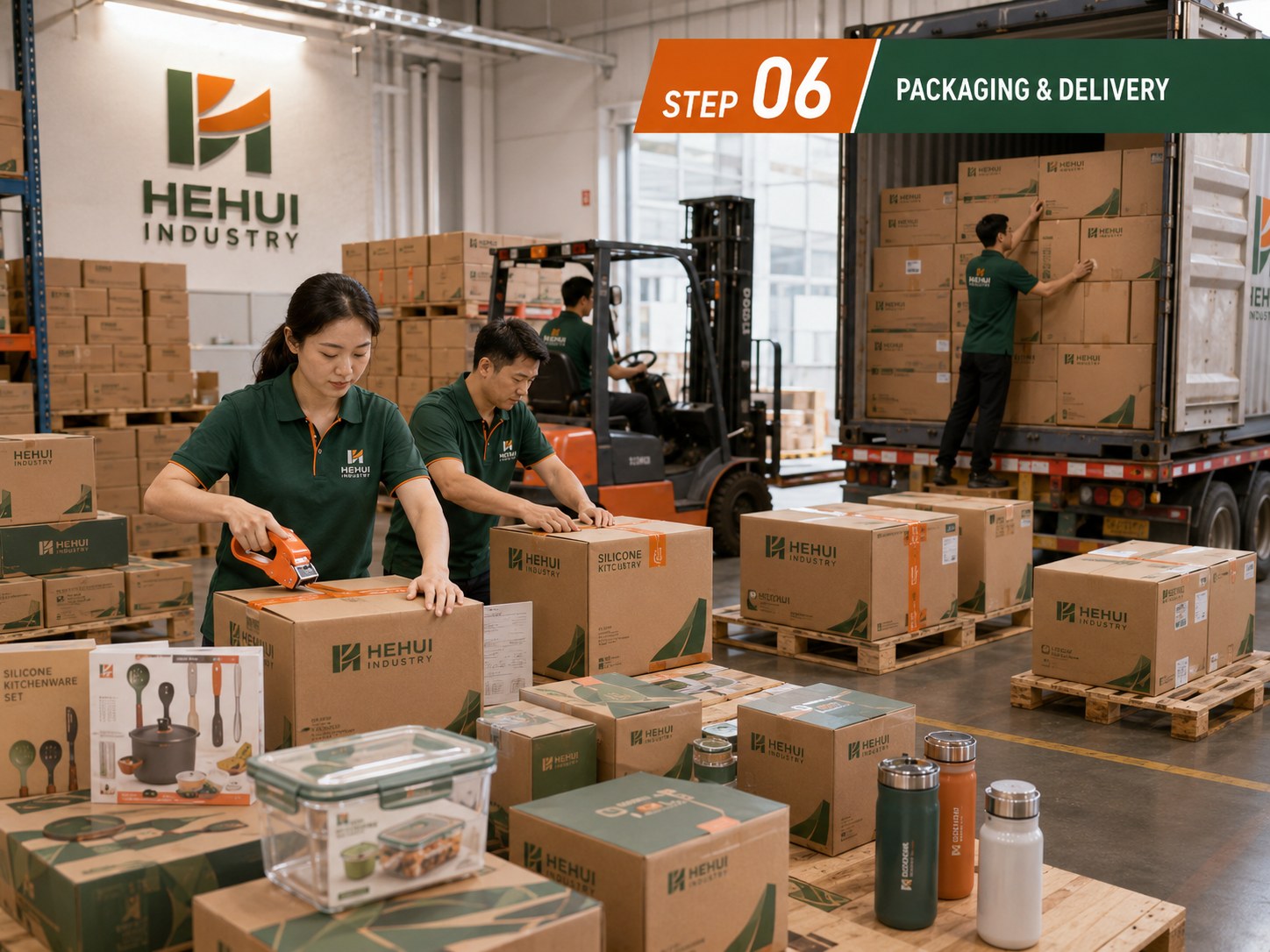
Packaging is part of the product launch. Before approving artwork, confirm the box dimensions, insert language, barcode area, carton marks, master-carton quantity and whether the packaging protects the blades and plastic parts during transport.
6. What is the inspection and quality-control plan?
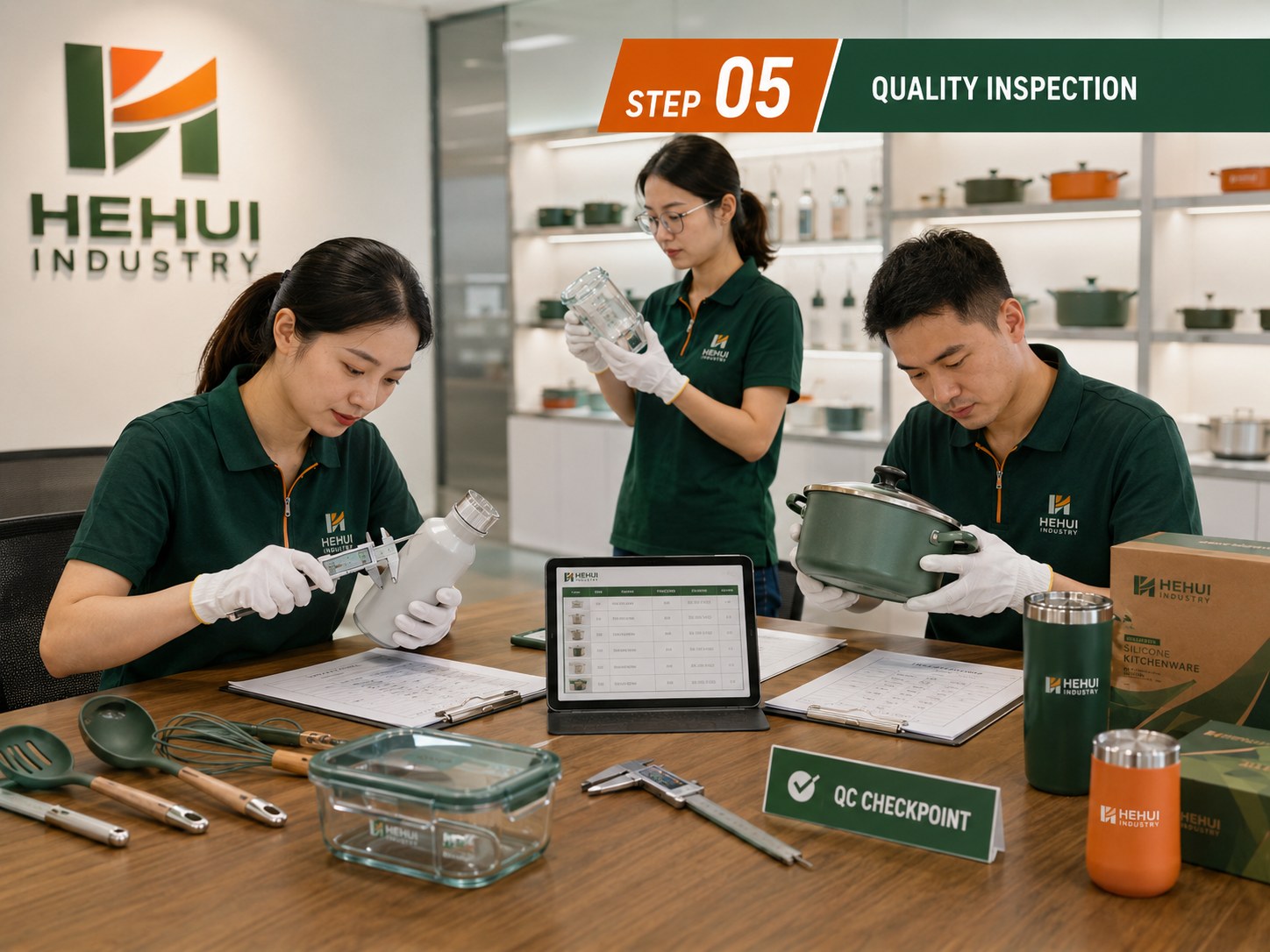
Ask how the supplier checks incoming materials, assembly, function, appearance and packing. For a manual kitchen tool, a useful inspection conversation can include blade sharpness and alignment, container or lid fit, moving parts, surface defects, quantity per carton and packaging drop protection.
Put the agreed checkpoints into the quotation or order documentation. This makes the quality discussion specific and gives both sides a shared reference before dispatch.
7. Can product and shipping costs be reviewed together?
A low unit price can change after carton volume, gross weight, destination, delivery point and shipping terms are added. Send the supplier your country, city or port, target quantity and preferred delivery terms. Ask for the quote to separate product, customization, packaging, freight and any included destination charges.
Hehui Kitchen provides shipping planning to more than 100 countries according to the current website information. The final route, terms and price should still be confirmed for the exact order.
Turn the checklist into a quote request
The fastest way to receive a useful response is to send a structured brief. Include the model or product link, quantity by model, destination, logo requirements, packaging requirements, target timing and the documents your market requires.
- Choose the product configuration and list the required accessories.
- Separate stock MOQ, logo MOQ and packaging MOQ.
- Request a sample and state what you want to inspect.
- Ask which current documents cover the model and market.
- Share destination and quantities for a product-plus-shipping quote.
Have a shortlist ready?
Send the models, quantity, destination and branding requirements. Hehui Kitchen can help confirm product details, documentation scope, packaging options and shipping questions before you decide.
Request a Product + Shipping Quote ↗